
Best SEO Blogs for Automation-Driven Content Creators
What Sets the Best Blogs for SEO Apart in a Crowded Field

What Sets the Best Blogs for SEO Apart in a Crowded Field
Marketers and content creators increasingly expect SEO blogs to do more than repeat tactics. The best sources deliver depth, defend claims with data, and translate insights into automated workflows that scale. In 2025, the most credible SEO blog is one that blends rigorous analysis with a clear path to action, and that path should fit into a long-term editorial and automation strategy rather than a one-off hack.
Criteria that Signal Credibility and Depth
Credible blogs stand out through long-form analyses that go beyond headlines. They publish transparent data, show their methods, and disclose limitations. Readers should see reproducible experiments, open datasets, and benchmarks you can verify. Valued blogs pair theory with real-world results, presenting measurable outcomes rather than slogans. When a post demonstrates a lift in search engine rankings or traffic across multiple campaigns, with controls explained, it earns trust. In addition, authors should disclose affiliations, potential conflicts, and the sources behind their conclusions. The strongest SEO blog is explicit about what worked, what didn’t, and why.
How Blogs Stay Relevant Through Algorithm Updates
Algorithm updates act as credibility litmus tests. The best blogs respond quickly to shifts, explain the implications for ongoing strategies, and revise guidance as needed. They track official announcements, document impact on benchmarks, and show what to test in response. Readers should be able to compare guidance across updates, assess its durability, and see how recommendations shift over time. Consistent update cadence, transparent revision histories, and cross-referenced evidence are markers of quality that help readers maintain an automation-ready edge.
Case Studies That Translate to Action
Case studies are where theory becomes practice. The strongest sources present full narratives: objectives, controls, variables, and the exact steps taken. They lay out the inputs that mattered, the decisions made, and the observed outcomes, ideally with dashboards or downloadable artifacts. When a case study includes templates, checklists, or playbooks derived from the analysis, it becomes a practical blueprint rather than a caveat. For automation-minded teams, these cases are especially valuable when they map to briefs, templates, and dashboards that can be reused.
How Top Blogs Deliver Data-Driven Insights and Real-World Action
Data-Driven Storytelling: What Numbers You Should See
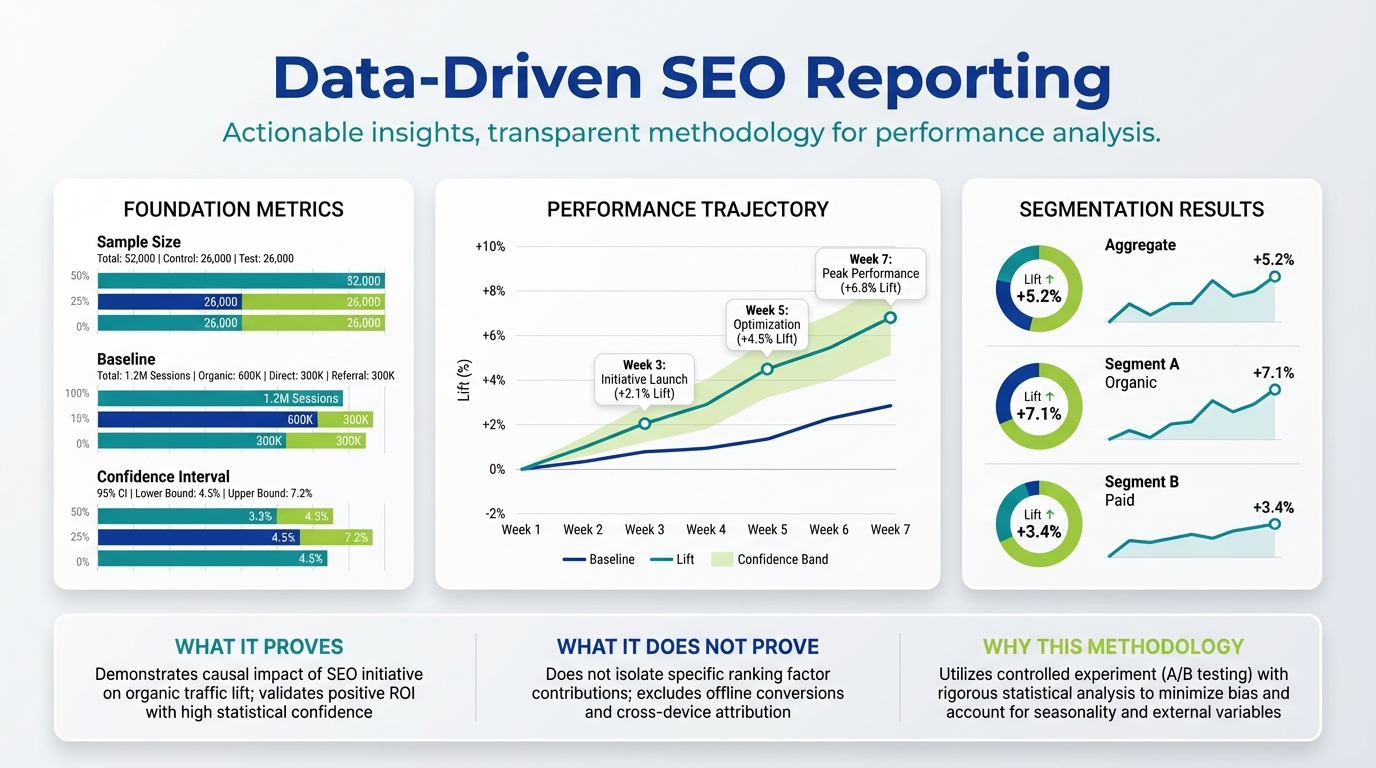
Quality SEO reporting moves beyond anecdote. Readers should encounter concrete numbers: sample sizes, confidence intervals, baseline measurements, and measurable lifts tied to specific actions. It helps when analyses include both aggregate trends and segment-level results. A trustworthy blog explains what a metric proves, what it does not prove, and why a certain approach was chosen. When the numbers are auditable, readers can reuse the insights within their own automated workflows.
Reproducible Experiments and What They Prove
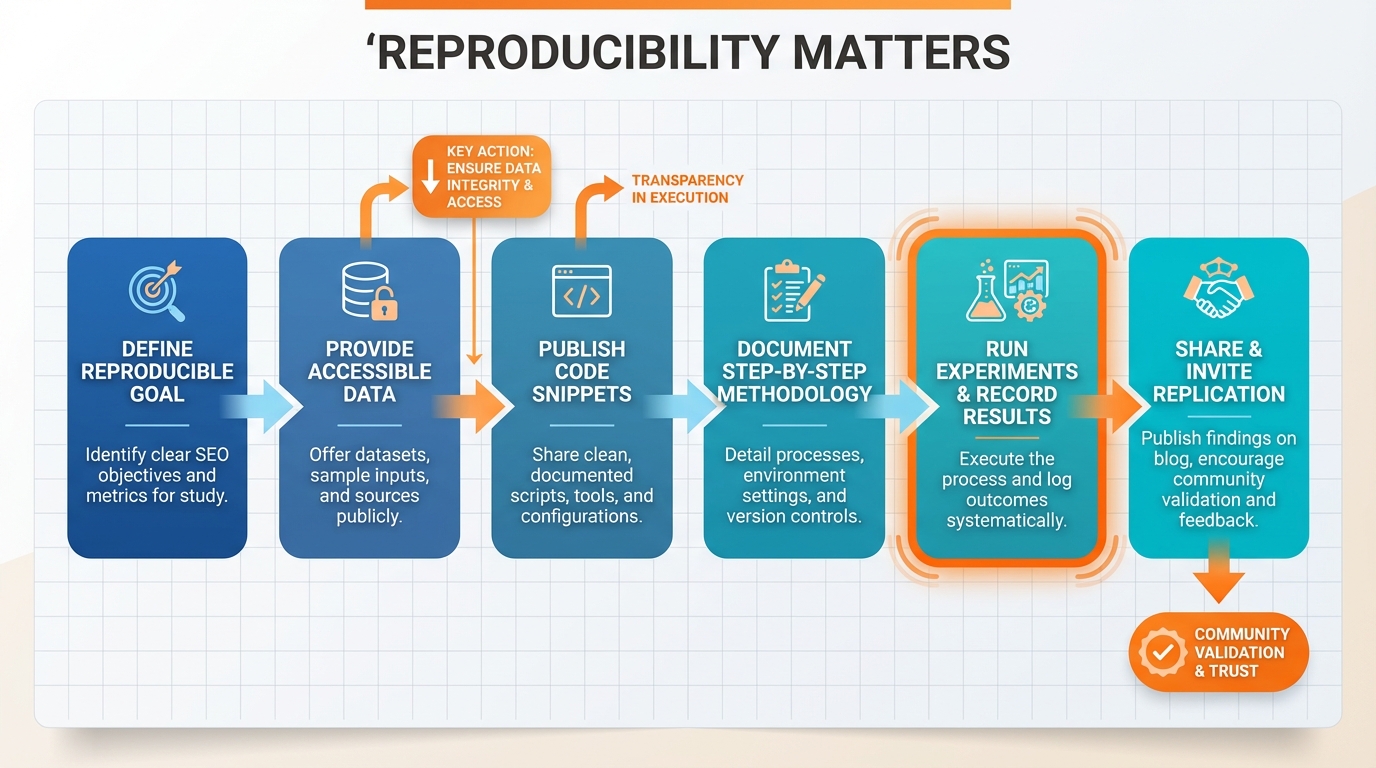
Reproducibility matters. When a blog shares reproducible experiments, it invites readers to replicate the results in their own contexts. This can include accessible data, code snippets, or a step-by-step methodology. Even if someone cannot run the exact experiment, the presence of a disciplined process gives readers confidence that the conclusions aren’t a one-off observation. Verified experiments underpin durable guidance that scales with content automation.
Building Actionable Playbooks from Analyses
The best posts end with a concrete artifact: a playbook, a checklist, or a set of templates that teams can adopt. An actionable playbook translates insights into steps that feed automation, from topic briefs to optimization templates. Readers should be able to pull a sequence of tasks into a workflow, assign owners, and measure progress. This is where the line between analysis and implementation blurs in a productive way.
From Insight to Action: Automation-Ready SEO Strategies and Cautions
Balancing Automation with Human Editorial Oversight
Automation saves time on research, briefs, and optimization scaffolds, but quality remains non negotiable. Effective blogs acknowledge where automation adds value, such as topic research, keyword intent mapping, or draft optimization templates, while preserving editorial judgment for tone, originality, and brand alignment. The risk is duplication, misalignment with user intent, and content that sounds formulaic. A disciplined approach combines auto-generated inputs with human review to maintain authenticity and accuracy.
Integrating Insights into an Editorial Calendar for Automation
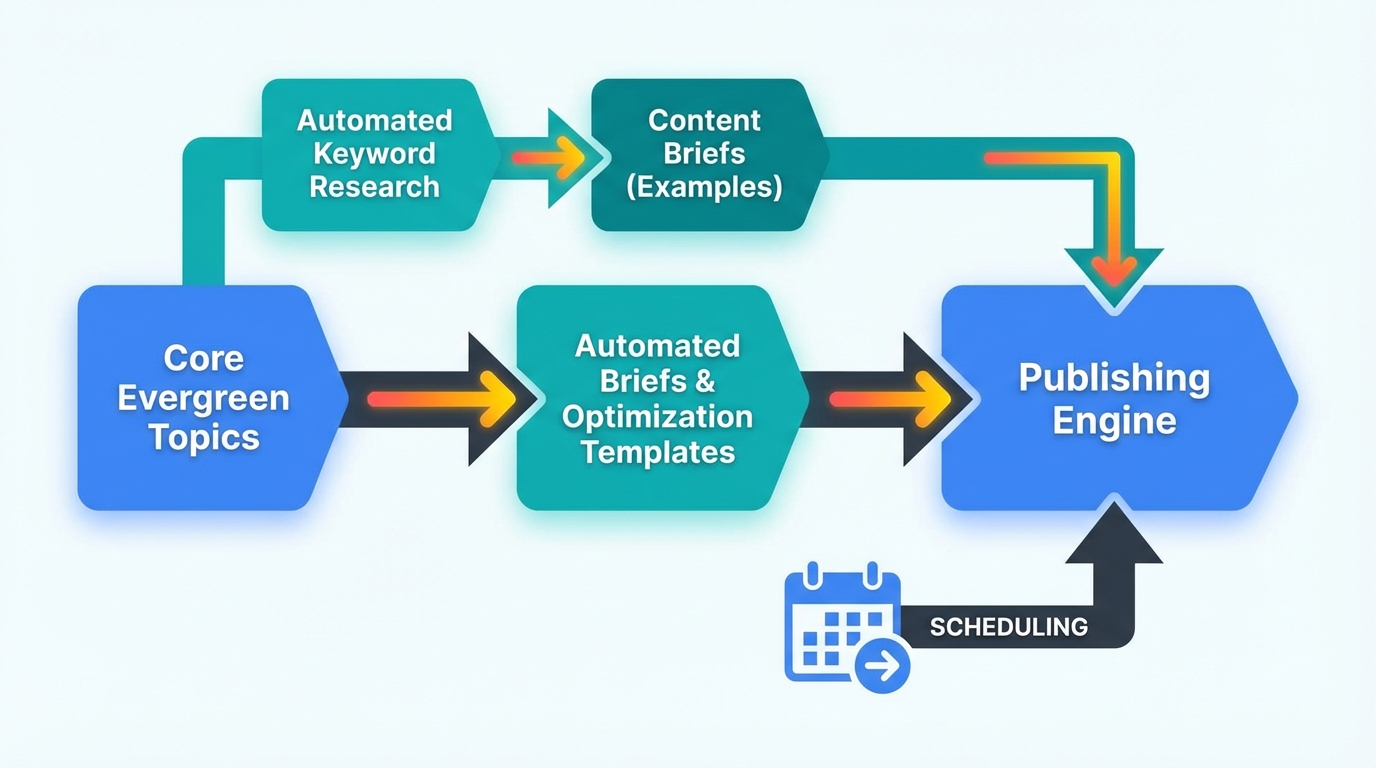
Turning insights into action requires a calendar designed for automation-friendly workflows. Start with a core set of evergreen topics and schedule automated briefs and optimization templates to feed into your publishing engine. For marketers exploring automation, practical examples exist, such as workflows that automate keyword research and content briefs. See Automating Keyword Research: A Google Sheets Workflow for Marketers for a concrete start. Once briefs are ready, platform integrations become pivotal. Platforms like WordPress commonly host automated publishing pipelines; see WordPress Integration | PixelPost Docs for implementation details. For collaborative automation with version control, explore the benefits of GitHub in your workflow via GitHub Integration | PixelPost Docs.
Readers should also continually refine their reading list. A living, automation-friendly approach means revisiting sources as algorithms evolve and as data accumulates from your own campaigns. A steady cadence of evaluation helps ensure the chosen blogs remain credible and relevant.
Red Flags and Risk Management for Automated Content
Watch out for hype cycles, tactics that worked once but don’t scale, and generic “best practices” that lack evidence. Be wary of single-campaign case studies with no controls, or posts that overstate causality. Black-hat risks creep in when blogs push shortcuts that threaten long-term visibility. Guardrails include requiring disclosure of data sources, clear methodology, and a track record of sustained performance over multiple algorithm cycles.
How to Assemble a Reading List of “Best Blogs” for Automated Content Creators
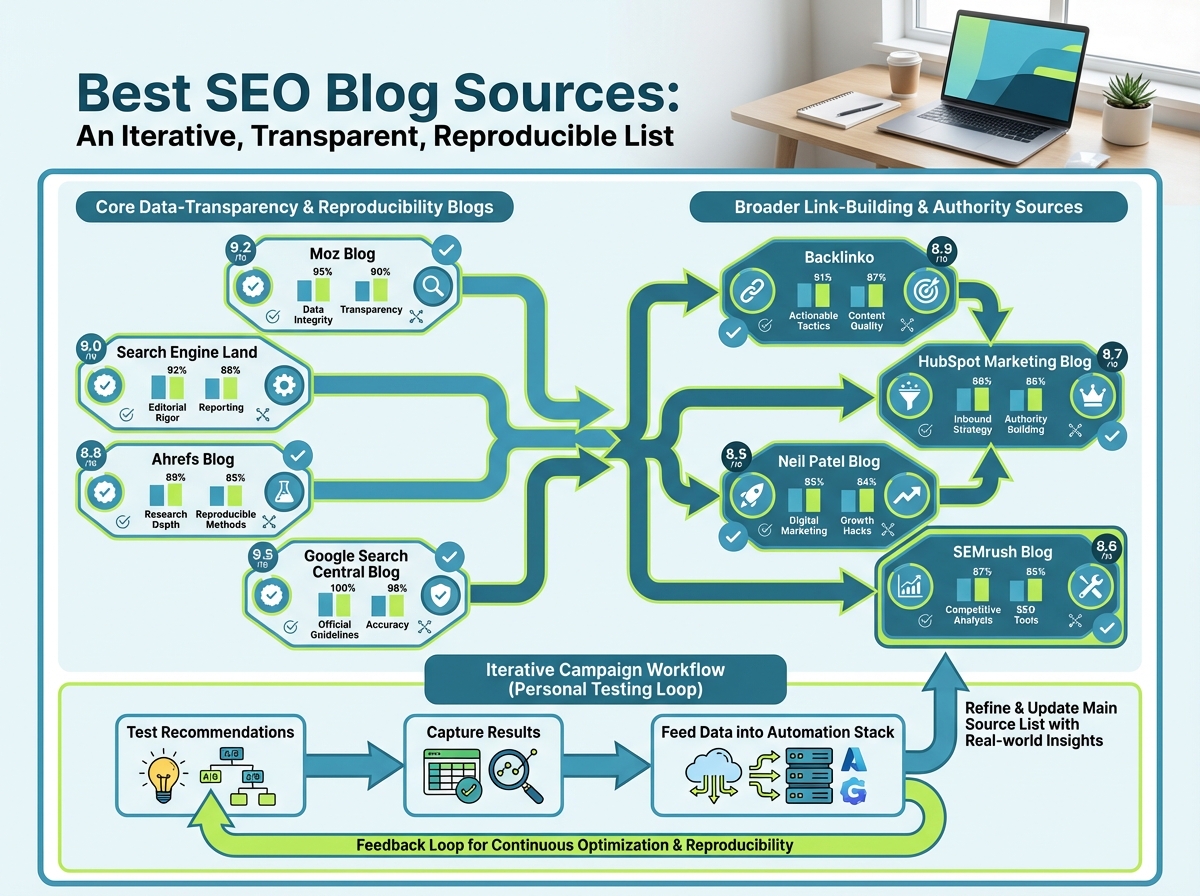
Develop a curated, iterative list rather than a static snapshot. Start with a core set known for data transparency and reproducibility, then broaden to include sources that specialize in link building as part of an authority-building program. Build a personal workflow to test recommendations within your own campaigns, capturing results to feed back into your automation stack. Use cross-referencing across sources to validate insights before applying them at scale.
Readers who want credibility and practicality will find that the strongest blogs link back to core frameworks and reproducible results. A high signal, low fluff approach yields the best outcomes for content automation. For ongoing guidance from a trusted source, the PixelPost Blog remains a central hub of credible, current SEO guidance that pairs well with automated workflows. See the main hub at PixelPost Blog for ongoing perspectives.
Conclusion
The best blogs for SEO do more than list tactics they demonstrate durable impact. They offer data-driven arguments, transparent experiments, and actionable playbooks that fit into automation-ready workflows. By evaluating sources with a framework that weighs data transparency, update cadence, and measurable outcomes, marketers can build a resilient reading list. When guidance aligns with a disciplined editorial process and is tested in real campaigns, content automation becomes a force multiplier rather than a risk.